Mulle Musau is the National Coordinator for Kenya’s Elections Observation Group (ELOG), of which he has been part of since 2010. Under ELOG, Mulle was part of the election observation missions which oversaw the 2010 constitutional referendum, as well as the 2013, 2017 and 2022 general elections. Regionally, Mulle was a founding member and current Regional Coordinator (since 2016) of the East and Horn of Africa election Observers Network (EHORN), covering Sudan, South Sudan, Uganda, Tanzania, Ethiopia and Kenya, with Eritrea holding an observer status. In 2016 through 2017, Mulle served as Chairperson of the Transparency Committee in the Board of the Global Network of Domestic Election Monitors (GNDEM), a global network of observation platforms with a membership of over 200 organizations. During this time, Mulle consulted with the International Peace and Support Centre (IPSC), the Carter Centre, the National Democratic Institute (NDI), the International Republican Institute (IRI), the Electoral Institute for Sustainable Democracy in Africa (EISDA), Konrad Adeneur Stiftung (KAS), among others. Mulle’s other election-related work includes external evaluation of the Zimbabwe Election Support Network’s 2018 election program; leading research for the doctoral project An Assessment of the Legal and Institutional Frameworks of Elections in East Africa: A Comparative Study of Kenya, Tanzania and Uganda in 2016; and production of policy papers for the International Institute for Democracy and Electoral Assistance (Gaps in the Campaign Financing laws in Kenya). Currently, Mulle co-convenes a continental elections observation think tank, the African Election Observation Network (AfEONet), hosting leading experts on elections.
LATEST

The Miseducation of the Kenyan Voter

About a month ago, the Independent Electoral and Boundaries Commission chairperson Erastus Edung Ethekon, while sharing an update on the ongoing voter registration process, also stated that the commission’s enhanced voter registration was not only meant for first time voters – those who have never registered to vote before, but that the exercise was also an opportunity for pre-2012 voters who had never submitted their biometrics to the Commission to re-register.
Niko Kadi: Will Poker Decide Kenya’s Next Election?

In street poker, niko kadi – the equivalent of checkmate in Chess – sends shivers down the spines of opponents, especially if the game is a high stakes one. Thus, niko kadi, a phrase lately embraced by Kenyan youth, especially the Gen Z who are now turning up in growing numbers to register as voters, has all the hallmarks of a checkmate move against the status quo, particularly if its proponents walk the talk.

Why Do We Vote?

When the Greeks settled on a popular model of choosing their leaders, they believed that the demos would through the Kratia produce acceptable leaders who would exercise their powers responsibly for the benefit and progress of their nation-states. 

Emerging Citizen Agency? The Great Finance Bill Debate

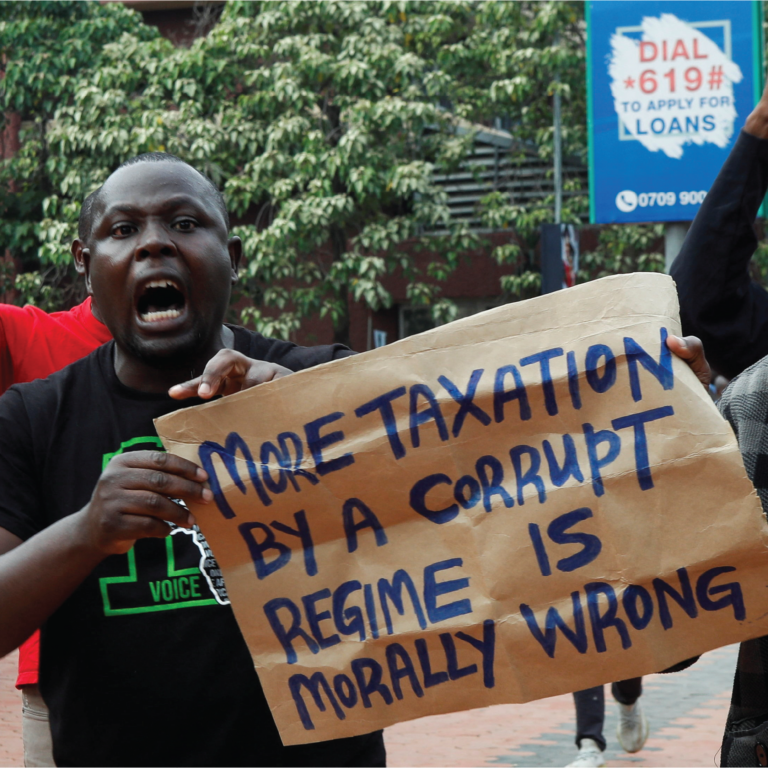
I do not seek to get into the pros and cons of the recently enacted Finance Act by the Kenya Kwanza government, even though it elicits a remark or more. Rather, it is the emotion that the bill – and later on the Act – has aroused across the country that most pricks my curiosity. In my view, there have been fewer times when national discourse has been characterized by great animation like has been the case as regards this piece of legislation (first proposed, then passed, and now challenged in court). 

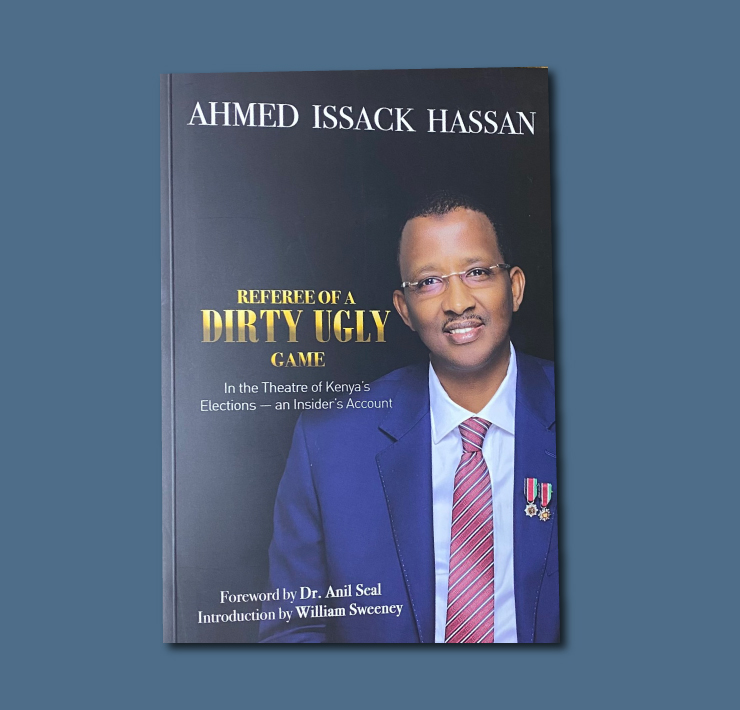
On Issack Hassan’s ‘Referee Of A Dirty Ugly Game’

The book highlights the high-level political negotiations that are undertaken just to decide on who becomes a member of the commission and the top officials of the secretariat. These negotiations take on regional, political, ethnic, and even fraternity associations aspects. One must get the blessings of these associations to even make a cut for consideration. It involves shuttling from one office to another, meeting top political leaders, key door-openers (including brutes) and opinion leaders.